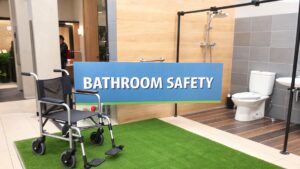
The bathroom should be a place of comfort and private daily care, but for many older adults, it’s quietly become the most dangerous room in the house. When we talk about bathroom solutions for elderly people, we're really talking about smart, simple changes that reduce the risk of slips and falls. Things like grab rails, non-slip flooring, and easy-access showers can turn a high-risk space into a safe haven, giving everyone in the family much-needed peace of mind.
Creating a Safer Bathroom for Elderly Loved Ones

For many families, the thought of an older parent or relative using the bathroom brings a constant undercurrent of worry. It's a place where wet surfaces, hard fixtures, and the physical demands of bathing create a perfect storm for accidents. The first step to making it a truly safe space is to understand exactly where the dangers lie.
As we get older, the bathroom presents a unique set of challenges. Mobility might not be what it once was, making it tough to step over a high-sided bath. Changes in balance and strength can turn a small puddle on the floor into a serious fall risk. Even seemingly simple actions, like getting up from the toilet, suddenly require a stability that can be hard to muster.
Common Bathroom Dangers for Older Adults
Often, the biggest hazards are the ones we’ve stopped noticing. A standard bathroom just wasn't designed with the realities of ageing in mind, which creates several common risk factors:
- Slippery Surfaces: Water on tiles or in the bath is the number one culprit behind falls.
- High Obstacles: That bathtub wall can feel like a mountain to climb when you're feeling unsteady.
- Lack of Support: Without proper grab rails, people often reach for the nearest thing—an unstable towel rail or a wobbly sink—for support.
- Poor Lighting: Dim lighting can hide trip hazards, especially during those late-night trips to the loo.
These aren't just minor problems; they're serious safety threats. In the UK, falls at home are a massive public health issue for older people. According to Age UK, more than half of the 265,000 fall-related A&E visits by people over 65 each year happen inside the home, and bathrooms are a frequent hotspot. These incidents cost the NHS an estimated £2.3 billion annually. You can read more about the data behind the risks of falls in the home.
A Shift in Perspective
It’s so important to see bathroom adaptations not as cold, clinical fixes, but as tools that empower a person to live with dignity. These changes are all about creating a secure, comfortable space that allows an older adult to manage their personal routine with confidence. To get it right, looking into comprehensive accessible bathroom solutions is the best way to ensure you're covering all the bases.
By making these changes proactively, families do more than just prevent accidents. They help preserve a loved one's independence and well-being, allowing them to continue living safely and comfortably in the home they love.
Essential Bathroom Equipment and Adaptations

Once you’ve pinpointed the key risks in the bathroom, you can start looking at the practical solutions. The good news is that you don’t always need a complete renovation. Often, the most effective changes are targeted fixes for specific, everyday problems.
It helps to think of these adaptations not just as equipment, but as tools for independence. A well-placed grab rail isn’t just a bar on the wall; it’s a steadying hand that gives someone the confidence to move freely. An accessible shower isn't merely a fixture; it's the key to maintaining privacy and dignity.
Bathing and Showering Solutions
For many older adults, the bath or shower presents the biggest challenge. A standard bathtub, with its high sides and slippery surface, can quickly become a no-go area. Thankfully, there are some excellent, much safer alternatives.
Walk-In Showers: A very popular choice, these replace the bath with a low-profile tray. By removing that high step, you immediately cut the risk of a fall and make getting in and out far less of a strain.
Wet Rooms: If someone has significant mobility challenges or uses a wheelchair, a wet room is the gold standard. The entire room is waterproofed with a level, slip-resistant floor, creating a completely step-free shower area that offers maximum accessibility.
Bath Lifts: For those who still love a good soak but can't manage getting in and out of the tub, a mechanical bath lift is a brilliant compromise. These powered seats gently lower a person into the water and lift them back up again, bringing back the simple pleasure of a bath without the risk.
Shower Chairs and Stools: A simple and affordable fix is a waterproof chair or stool. This allows someone to sit while showering, which is perfect for anyone who gets tired easily or struggles with their balance.
When you're updating the shower area, pay close attention to the glass shower screens and enclosures you choose. Opting for toughened safety glass and easy-clean surfaces adds another valuable layer of safety and convenience.
Toileting and Personal Hygiene Aids
Getting on and off the toilet requires a surprising amount of lower body strength and balance. As we get older, this simple daily task can become a real source of anxiety. A few simple additions can make all the difference.
A raised toilet seat is an instant fix, reducing the distance someone needs to lower themselves. Many models now come with built-in grab rails, providing sturdy handholds for getting up and sitting down. This one piece of equipment can be a game-changer for a person's stability and confidence.
For even more support, a toilet support frame can be fitted around an existing loo. These frames offer solid support on both sides, which many people find more reassuring than relying on a single wall-mounted rail.
By directly addressing the physical movements needed for toileting, these aids do more than just improve safety. They restore a sense of control and dignity over one of life’s most private routines.
The demand for these adaptations is growing. ONS data projects there will be 17 million people in the UK aged 65 or over by 2040. A worrying RoSPA survey found that 42% of pensioners don't have basic grab rails, a factor in thousands of bathroom injuries. Where they are installed, these simple bars can cut fall risks by 50%. Providers like Cream Home Care often recommend solutions like shower chairs, which can reduce bathing accidents by 60%, according to British Standards Institution tests.
Small Changes with a Big Impact
Not every solution has to be a major installation. Sometimes, the smallest details offer the biggest improvements in day-to-day safety and comfort.
The following table provides a quick comparison of some of the most essential bathroom adaptations, helping you prioritise based on need and installation effort.
Comparing Bathroom Safety Adaptations
| Adaptation | Primary Benefit | Best Suited For | Installation Level |
|---|---|---|---|
| Grab Rails | Provides stable support for movement and balance. | All individuals, especially near toilets, baths & showers. | Low to Medium |
| Non-Slip Mats | Reduces the risk of slips on wet floors and in the shower. | Universal application; essential for any bathroom. | Low (Removable) |
| Lever Taps | Easy to operate for those with arthritis or weak grip. | Individuals with limited hand strength or dexterity. | Medium |
| Improved Lighting | Enhances visibility to prevent trips and misjudgements. | Everyone, particularly those with visual impairments. | Low to Medium |
These additions might seem minor, but their combined effect is powerful. Lever taps, for instance, remove the need for a painful twisting motion that can be agony for someone with arthritis. Bright, well-placed lighting makes it easier to spot puddles or navigate the room at night. Together, these subtle upgrades help create a space that feels safer and much more manageable.
Improving Toileting and Hygiene with Dignity
Let's talk about one of the most personal aspects of daily life: using the toilet and managing personal hygiene. For many older adults, this private routine can become a source of anxiety and feel like a major loss of independence. Making the right changes in the bathroom isn't just a matter of safety; it’s about preserving a person's dignity.
When simple tasks become a struggle, it can chip away at confidence and well-being. Thankfully, there are some brilliant adaptations available today that are designed specifically to restore independence and ensure hygiene is handled respectfully and effectively.
Restoring Independence at the Toilet
The simple act of getting on and off the toilet requires a surprising amount of balance, strength, and flexibility—abilities that often diminish as we get older. A standard toilet is simply too low for many, making it a real challenge to sit down and, even more so, to stand back up without help. This is where a few straightforward changes can make all the difference.
A raised toilet seat is one of the most common and truly transformative adaptations. By adding just a few inches in height, it dramatically lessens the strain on the knees, hips, and back. Many of these seats come with built-in handles, or you can pair them with a separate toilet support frame that goes around the loo. These provide solid, reliable points of support, turning a wobbly, difficult movement into one that feels secure and manageable.
The Rise of Smart Toilets and Bidet Attachments
Beyond just getting on and off the toilet, the act of cleaning oneself can be another hurdle. Conditions like arthritis, frozen shoulder, or a general lack of dexterity can make using toilet paper difficult, if not impossible. In these situations, smart toilets and bidet attachments aren't just fancy gadgets—they are powerful tools for maintaining independence.
These devices use a gentle spray of warm water to clean, followed by a warm air dryer, making the whole process hands-free. The benefits are enormous:
- Better Hygiene: It’s no secret that water cleans more effectively than paper. This can significantly lower the risk of skin irritation, uncomfortable rashes, and urinary tract infections (UTIs).
- Restored Dignity: This one is huge. It gives someone the ability to manage their own personal care from start to finish, without ever having to ask for help from a family member or carer.
- Reduced Physical Strain: It completely removes the need for awkward twisting, reaching, and wiping, which can be painful for so many older adults.
Think of a bidet attachment as a practical health tool. It promotes cleanliness, prevents common skin issues, and, most importantly, empowers a person to handle their private care with complete autonomy.
A Focus on Compassionate and Practical Care
These hygiene solutions are more than just conveniences; they are central to providing compassionate, dignified care. If someone does need a bit of extra help, it’s useful to understand the different kinds of support available. To get a clearer picture, you can explore our guide which clarifies the differences between personal care and home help.
The need for these thoughtful adaptations is starkly highlighted by national statistics. In the UK, issues with urinary incontinence and mobility are incredibly common among older people. NHS Digital figures from 2026 showed that 7 million people over 65 live with incontinence, a condition costing the NHS £1.5 billion each year. A Public Health England study also connected incontinence to a 30% higher rate of falls, often happening during unsteady trips to the toilet, resulting in around 45,000 A&E visits annually.
This is where targeted adaptations prove their worth. Raised toilet seats with frames, now found in 55% of adapted UK homes, are shown to improve stability by 65%. Meanwhile, bidet attachments can cut related skin infections by as much as 40%. You can read the full research about these product trends to see more data on this growing market.
Your Step-by-Step Bathroom Adaptation Project Plan
The thought of adapting a bathroom can feel huge, and it's easy to get bogged down by all the "what ifs." But like any big project, the secret is to break it down into smaller, more manageable steps. This guide will help you do just that, turning worry into a clear plan of action.
First things first: take a good, honest look at the current bathroom. You don't need to be a professional for this part. Think of it as giving the room a basic safety MOT, using your own eyes.
Conducting Your Initial Safety Assessment
Try to see the bathroom from the perspective of someone whose balance isn't what it used to be, or who finds moving around a bit more difficult. What are the obvious risks? Which small, everyday actions are becoming a real struggle?
Use this quick checklist to guide you:
- Getting In and Out: Is the doorway wide enough for easy access, maybe with a walker? Is there a high threshold to trip over?
- The Floor: Does it become a skating rink when wet? Are there loose bathmats or rugs that could easily slip?
- The Bath or Shower: How high is that step over the side of the bath? Are there any solid grab rails to hold onto, or is someone clinging to the towel rail for support? Is standing for a whole shower becoming tiring?
- The Toilet: Is the toilet seat too low, making it a real effort to stand back up? Is there anything sturdy nearby to push up from?
- Lighting and Taps: Is the room bright enough, particularly for a late-night trip? Can stiff or arthritic hands easily turn the taps on and off?
Working through this gives you a personalised picture of what needs to change. It's the foundation for everything that comes next.
The whole process really boils down to three key phases: first you Assess the problem, then you Decide on the solution, and finally, you Build it.

As you can see, a successful project flows from one stage to the next – from understanding the need to installing the right fix.
Deciding Between Simple Adaptations and a Full Conversion
With your assessment in hand, you'll come to a crossroads. Do you need a few simple tweaks, or is it time for a more significant overhaul?
Simple adaptations are fantastic for tackling one or two specific problems. This could mean fitting some grab rails, adding a raised toilet seat, or putting in a bath board. They are quick wins—relatively inexpensive and can make a difference almost immediately.
A full conversion, on the other hand, is a bigger job. We're talking about things like replacing the bath with a walk-in shower or creating a full wet room. This is the right path when there are several major safety issues, or when stepping into a bath is simply no longer an option.
A key consideration here is future-proofing. If you expect mobility to decline further in the coming years, it’s often wiser to invest in a more comprehensive solution now. It can save the cost and disruption of having to do it all again in a few years' time.
Finding Reputable Tradespeople in the UK
The success of your new bathroom rests squarely on the shoulders of the person who fits it. Finding a good, trustworthy tradesperson is absolutely vital. It's best to look for a company or individual who specialises in accessible bathrooms; they'll already know the specific standards and products.
- Ask for Recommendations: Word of mouth is powerful. Check with friends, local disability support groups, or your Occupational Therapist.
- Check Credentials: Use trusted platforms like the Federation of Master Builders or Checkatrade.
- Get Multiple Quotes: Always aim for at least three detailed, written quotes. This lets you compare not just the price, but also the scope of the work they’re proposing.
- Ensure Compliance: Make sure any potential installer understands Part M of the UK Building Regulations. This part covers access to and use of buildings, and a good installer will be very familiar with it.
When you get the quotes, check that they are fully itemised. You want to see a clear breakdown of costs for materials, labour, and even waste removal. A transparent quote is the best way to avoid any nasty surprises down the road. Ultimately, a safe and successful project comes down to good planning and choosing the right people for the job.
Navigating Costs and Finding Financial Support in the UK
Let's be honest, the first question on most people's minds is, "How much is this actually going to cost?" It's a perfectly reasonable question. The thought of adapting a bathroom can feel overwhelming, but a safer space is often more affordable than you might think, thanks to the financial support available across the UK.
Figuring out the budget for a bathroom adaptation is a bit like maintaining a car. Sometimes, you just need a few new, inexpensive parts to improve safety and performance. Other times, a more significant overhaul is required. The trick is to identify what’s truly needed without getting carried away.
Understanding Typical UK Costs
So, what should you expect to pay? While prices will naturally vary depending on where you live and the specific products you choose, here's a rough guide to common adaptation costs in the UK.
Small Adaptations: Simple, high-impact changes are surprisingly affordable. A set of professionally fitted grab rails might cost between £100 and £200. Other essentials, like a sturdy shower stool or a raised toilet seat, can often be bought for under £50.
Medium-Sized Jobs: This is where you start making more substantial changes. Swapping tricky taps for easy-to-turn lever taps, or installing a reliable bath lift, typically falls into the £500 to £1,500 bracket.
Major Renovations: For a complete rethink, like replacing a bath with a walk-in shower, you should budget for costs starting from around £2,500. The biggest project, a full wet room conversion, is a significant investment, usually costing between £5,000 and £10,000.
Disabled Facilities Grant (DFG)
The single most important source of funding for most families is the Disabled Facilities Grant (DFG). This is a grant provided by your local council to help pay for the changes you need to live safely and independently at home.
Crucially, the DFG isn't just for homeowners – tenants can apply too. Its purpose is to fund essential adaptations that give an older or disabled person greater freedom and safety, with bathroom accessibility being a top priority.
To get started, you'll need to contact your local council. They will almost always arrange for an Occupational Therapist (OT) to visit, assess what's needed, and recommend the right adaptations. It's important to know that the grant is means-tested, so the amount you might get will depend on your household income and any savings you have.
Other Funding Avenues to Explore
If you don't qualify for a DFG, or if it doesn't cover the entire cost, don't lose heart. There are still plenty of other places to turn for help.
Home Improvement Agencies (HIAs): These local, not-for-profit organisations are absolute gems. They offer fantastic advice, help you navigate the paperwork for grants, and can even connect you with trusted, reliable builders in your area.
Charitable Grants: Many charities, both national and local, offer grants specifically for home adaptations. Organisations like Independence at Home or, for veterans, the Royal British Legion, have funds set aside to help people make these vital changes.
VAT Relief: This is a big one that's often overlooked. If you or your loved one has a long-term illness or is registered as disabled, you don't have to pay VAT on certain specialised equipment and the cost of its installation. That's a straight 20% saving right there.
Knowing your financial options can make all the difference. As you weigh up the level of support you might need, our guide on the benefits of at-home care services can offer more context. By combining these different strands of support, even a major bathroom project can become a much more achievable goal.
The Human Touch: How Professional Home Care Makes It All Work
Installing the right grab rails and a level-access shower is a fantastic start, but all the best equipment in the world can't work on its own. A safe bathroom is more than just fixtures and fittings; it's about the person using them feeling confident and secure. This is where professional home care provides the missing piece of the puzzle.
Think of it like this: having all the latest cooking gadgets doesn't make you a Michelin-starred chef. You still need the skill and confidence to use them. In the same way, a perfectly adapted bathroom only becomes truly safe when there's someone on hand to offer support and reassurance. A professional carer provides that human touch, turning a functional space into a place of genuine comfort.
The Carer's Role in a Safer Bathroom
A professional carer does so much more than just help out. They become a partner in maintaining a person's independence and well-being at home. Often, their involvement starts right at the beginning with a detailed risk assessment, where their trained eye can spot potential hazards that even a loving family member might overlook.
Once new equipment is in place, their role is to provide gentle, practical help. This could mean:
- Building confidence: Gently guiding someone as they use a new walk-in shower or bath lift for the very first time, taking away any fear or hesitation.
- Ensuring safety: Being physically present to offer a steadying hand during transfers, like moving from a wheelchair to a shower chair. This dramatically reduces the risk of a fall.
- Personal assistance: Providing dignified support with washing, dressing, and other personal routines within the new, safer environment.
This hands-on support is what bridges the gap between simply having the right equipment and being able to use it with total peace of mind.
Vital Support After a Hospital Stay
That human element is never more important than during a ‘Home First’ hospital discharge. When someone comes home after a hospital stay, they are often at their most vulnerable, and a safe, accessible bathroom is non-negotiable for a successful recovery.
A professional carer ensures the transition from hospital to home is as smooth as possible. They don't just help a person navigate their newly adapted bathroom; they also monitor recovery and provide the continuity of care that is so crucial for preventing readmission.
Peace of Mind for the Whole Family
Finally, bringing in professional support offers incredible peace of mind to family members. Knowing an expert is providing compassionate care can lift the huge weight of worry that often comes with looking after a loved one. Services like respite care give family carers a much-needed break, safe in the knowledge that their relative is being well looked after. To learn more, it can be helpful to see how personalised home care supports independent living.
At the end of the day, true bathroom safety isn't just about grab rails and shower seats. It's about the powerful combination of a thoughtfully adapted environment and compassionate, human support.
Your Questions Answered: Making Sense of Bathroom Adaptations
Thinking about adapting a bathroom can bring up a lot of questions. It's a big step, and you want to get it right. We've been there with countless families, so we've put together answers to some of the most common queries we hear.
How Long Does It Take to Get a Disabled Facilities Grant?
Honestly, there's no single answer for this. The timeline for a Disabled Facilities Grant (DFG) really depends on your local council, but it’s rarely a quick process. You should probably brace yourself for a wait of several months.
From the day you submit your application to getting the final green light, it can easily take up to six months. And remember, that’s just for the approval. After that, you still have the task of finding approved contractors and getting the work scheduled. The best advice? Get in touch with your local council's housing or social care department right at the start to find out their specific timescales.
What Is the Difference Between a Walk-In Shower and a Wet Room?
It’s easy to get these two confused, but the difference is all about the floor. A walk-in shower still has a shower tray, but it’s incredibly shallow—what we call a "low-threshold" design. This makes it much easier to step into than a traditional shower or bath, and screens keep the water contained. It's a fantastic option if a small step isn't a problem.
A wet room, on the other hand, does away with the tray entirely for a "level-access" floor. The whole room is professionally waterproofed (a process called 'tanking'), and the floor slopes gently towards a drain.
A wet room offers the ultimate in accessibility, making it the go-to choice for wheelchair users or anyone with very limited mobility. For many others, a walk-in shower is a simpler and more budget-friendly upgrade that still makes a huge difference.
My Parent Is Resistant to Changing Their Bathroom. How Can I Help?
This is something we see all the time, and it’s a really delicate situation. The resistance often comes from a place of fear—fear of losing their independence or simply not liking change. Your first step should always be to listen and lead with empathy.
Change the language. Instead of talking about "safety" and "disability," frame it as a modern "upgrade" to make their life more comfortable and stylish. You could point out how some modern grab rails look just like designer towel rails.
Put them in the driver's seat. Let your parent have the final say on the new tiles, fixtures, and colours. When they feel in control of how the room will look, they're much more likely to get on board with the idea.
Focus on the real prize. Gently remind them that these changes aren't about what they can't do, but about what they can do: stay in their own home, safely and independently, for many more years to come. It’s a tool for empowerment, not a sign of defeat.
At Cream Home Care, we know that the right equipment is just the beginning. Our professional carers provide the friendly, human support that helps your loved one feel confident using their newly adapted space. Find out how we can help by visiting the Cream Home Care website.